
Skin tags can be managed through various methods, from DIY home remedies to professional treatments. Affordable natural options include essential oils and specialized clinics offering safe techniques like cryotherapy. For persistent or unsightly tags, consult a dermatologist who may recommend professional interventions with high success rates. Patience is key for natural methods; professional treatments provide quicker results but ensure expert guidance.
Skin tags, those tiny, harmless bumps that often appear on the neck or wrists, can be unsightly and irritating. Many people seek effective yet affordable skin tag removal solutions without resorting to costly medical procedures. This article provides a comprehensive guide to achieving smooth, clear skin, offering practical tips and insights into an affordable skin tag removal treatment naturally. By understanding common causes and exploring home remedies, readers can take control of their skincare routine and bid farewell to these small yet persistent blemishes.
- Understanding Skin Tags: Causes and Types
- Affordable Removal Options at Home
- Natural Treatments for Safe, Gradual Reduction
- When to Seek Professional Help: Expert Care
Understanding Skin Tags: Causes and Types

Skin tags, those small, soft bumps that can appear anywhere on the body, are a common skin concern with various causes and types. While they are generally harmless, many individuals seek ways to remove them for aesthetic reasons or comfort. Understanding these skin tags is the first step towards effective management.
The development of skin tags is often linked to several factors. One primary cause is friction against the skin, which can lead to the growth of tags in areas subjected to repeated rubbing, such as the neck, armpits, or groin. This makes activities like wearing certain clothes or engaging in sports problematic for some people. Additionally, they can arise due to hormonal fluctuations during pregnancy or menopause, making them more prevalent in these periods. Skin tags are also associated with conditions like obesity and insulin resistance, emphasizing the intricate relationship between skin health and overall well-being.
There are several types of skin tags, each presenting unique characteristics. Common skin tag removal methods may vary based on these types. For instance, peduncular tags, characterized by a small stalk connecting them to the skin, might require specialized techniques compared to simple, unattached tags. Some individuals opt for professional removal by specialists like those available at private clinics in Cambridge, Wakefield, or Glasgow. These experts offer various treatments, including freezing with liquid nitrogen (cryotherapy), cutting, or using topical creams. However, for those seeking an affordable skin tag removal treatment naturally, there are home remedies and lifestyle adjustments that can help manage and reduce the appearance of these tags.
Affordable Removal Options at Home
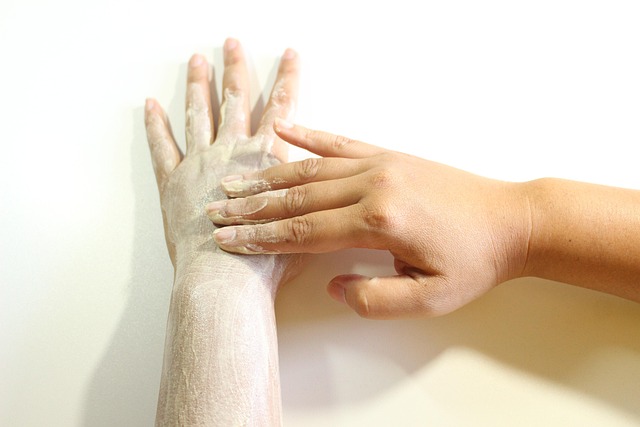
Skin tags are a common skin concern, but effective removal doesn’t have to break the bank. Many affordable skin tag removal treatments at home offer safe and gentle alternatives to costly clinical procedures. While it’s always advisable to consult a dermatologist for persistent or unsightly skin tags, a range of DIY options can provide effective relief for minor cases.
One popular and accessible approach is using duct tape. This simple method involves applying a piece of duct tape over the skin tag for several days, gently peeling it off and repeating as needed. Research suggests that this technique can successfully eliminate skin tags in many instances due to the tape’s constriction effect on the blood supply. Alternatively, certain natural remedies like apple cider vinegar or tea tree oil have shown promise in anecdotal evidence. These substances are known for their antimicrobial properties and may aid in drying out and removing skin tags over time when applied topically.
For those seeking professional yet cost-effective solutions, local specialists can provide guidance and treatment options tailored to individual needs. For instance, St Helens, Bournemouth, and Bristol residents have access to skilled skin tag removal specialists who offer a range of services. These experts can employ advanced techniques like cryotherapy or laser treatments at competitive prices, ensuring effective and safe removal in a clinical setting. It’s crucial to research and choose reputable practitioners for the best outcomes, as results may vary between individuals.
Before attempting any home treatment, it’s essential to consider the type and size of the skin tag, as well as your overall health. Skin tags are generally harmless but can be an indication of certain conditions. Consulting a healthcare professional or specialist can help determine the most suitable removal method for your specific case.
Natural Treatments for Safe, Gradual Reduction

If you’re seeking an affordable skin tag removal treatment naturally, it’s crucial to explore safe, gradual reduction methods that don’t compromise your skin’s health. While over-the-counter options exist, many contain harsh chemicals that can lead to irritation or even infection. Natural solutions offer a gentler alternative, particularly for those with sensitive skin or who prefer a more holistic approach.
Consider essential oils like tea tree oil, known for its antimicrobial properties, which can help dry out and eliminate skin tags over time when applied topically. Alternatively, apple cider vinegar, with its acidic nature, can be effective in removing skin tags through regular soaks or applications. For instance, a study published in the Journal of Dermatology found that topically applied acetic acid (a key component of apple cider vinegar) led to significant improvements in skin tag reduction among participants.
In cities like Oxford and Newcastle, where specialist services are available, consult with professionals who can guide you on natural solutions tailored to your needs. These specialists often employ methods such as freezing with liquid nitrogen or using scalers for more persistent tags, but they also understand the value of natural treatments. For instance, some practitioners may recommend a combination of essential oils and topical applications under their supervision to ensure safety and efficacy.
Regularly cleaning the affected area, staying hydrated, and maintaining a balanced diet can also support your body’s natural healing processes. Patience is key; natural solutions often require consistent application and time for results, but they offer a safer, more gradual approach to skin tag removal compared to some commercial treatments.
When to Seek Professional Help: Expert Care
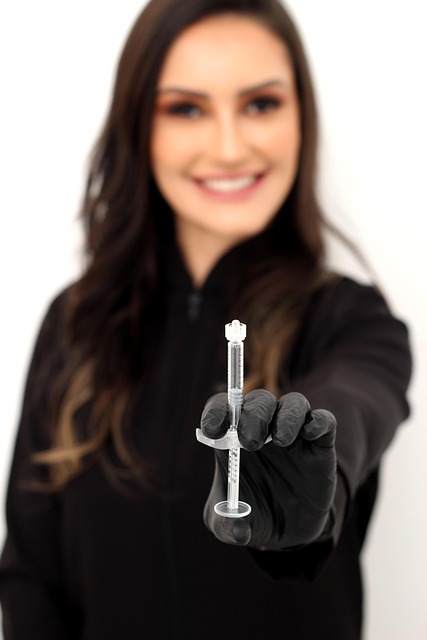
While many people opt for DIY methods to get rid of skin tags, there are instances where professional medical intervention is necessary, especially when dealing with larger or persistent tags. Affordably achieving effective skin tag removal is achievable through various accessible options, but understanding when to seek expert care is crucial. In areas like Plymouth, Blackpool, and Liverpool, specialized private clinics offer advanced yet affordable skin tag removal treatments, ensuring patients receive top-tier care without breaking the bank.
These professional services employ skilled dermatologists or certified estheticians who possess in-depth knowledge of various removal techniques tailored to individual needs. For instance, cryotherapy, a common procedure, uses liquid nitrogen to freeze and remove tags, suitable for many types but requires expert handling. Laser treatments offer another option, particularly effective for larger tags, though they may be more costly than other methods. However, some clinics bundle these services at competitive rates, making quality care accessible.
Deciding when to consult a specialist involves assessing the size, number, and behavior of skin tags. If tags persist despite over-the-counter remedies or cause discomfort, it’s advisable to seek professional advice. Private clinics often provide comprehensive consultations, offering personalized solutions from topical creams to minor surgical excision. For example, a study by the British Association of Dermatologists found that over 90% of patients reported significant improvement after professional skin tag removal treatments. This highlights the effectiveness and safety of expert interventions when affordable options are sought.
After exploring various aspects of skin tag removal, it’s clear that understanding both causes and treatment options is empowering. The article has highlighted several affordable and natural approaches to getting rid of skin tags safely at home. Key insights include the effectiveness of over-the-counter creams, essential oils, and gentle exfoliants for gradual reduction. Additionally, recognizing when professional medical intervention is necessary ensures optimal care. By combining these strategies, individuals can navigate affordable skin tag removal treatments naturally, achieving clearer, smoother skin without breaking the bank. This comprehensive guide equips readers with practical knowledge to take control of their skin health confidently.