
Skin tags, common in rubbing areas, prompt interest in affordable skin tag removal treatments. While harmless, many seek solutions for cosmetic reasons. Natural methods like apple cider vinegar or duct tape vary in effectiveness, and salicylic acid is scientifically proven successful. Balancing safety and efficacy, over-the-counter creams and professional services like cryotherapy offer diverse options. Consulting dermatologists ensures personalized guidance for effective, affordable skin tag removal naturally tailored to individual needs.
Skin tags are a common concern for many, often prompting searches for effective yet affordable skin tag removal treatments naturally. While over-the-counter options exist, their effectiveness varies, and some may harbor concerns about harsh chemicals. This article delves into the world of inexpensive skin tag treatments, exploring both traditional and modern solutions that offer relief without breaking the bank. We provide an in-depth analysis of user reviews to guide you towards safe, affordable alternatives for achieving smooth, tag-free skin.
- Understanding Skin Tags: Causes and Common Concerns
- Exploring Affordable Options for Removal
- Natural Treatments at Home: Safety First
- Topical Creams and Ointments Reviewed
- Expert Advice on DIY vs Professional Services
- Long-Term Results: Tracking Success and Effectiveness
Understanding Skin Tags: Causes and Common Concerns
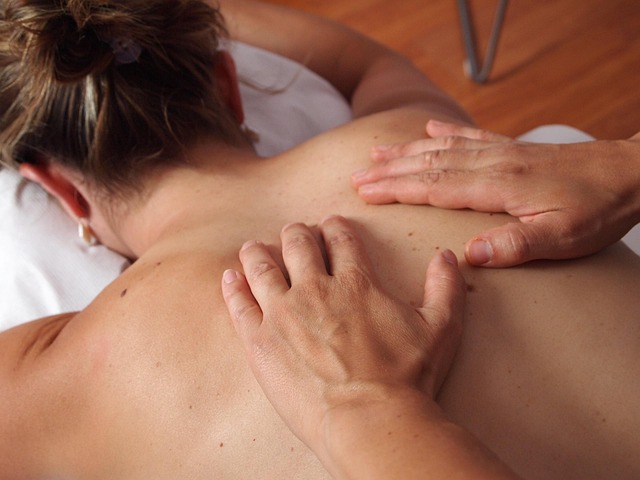
Skin tags are a common skin condition characterized by small, soft, flesh-colored or dark growths that typically appear in areas where skin rubs against itself. While they are usually harmless, many individuals seek effective and affordable skin tag removal treatments due to cosmetic concerns or discomfort caused by their presence. Understanding the causes and addressing specific issues associated with skin tags is a crucial step before opting for any treatment method, especially natural, budget-friendly alternatives.
One of the primary factors contributing to skin tag development is friction. Areas prone to rubbing, such as the neck, armpits, groin, and ankles, are more likely to develop these growths. For instance, studies have shown that up to 47% of adults in the United States have experienced skin tags, with certain demographics experiencing higher incidences due to specific lifestyle or anatomical factors. In regions like Reading, St Helens, and Chelmsford—urban areas with active populations—the prevalence might be even higher, reflecting a need for accessible and affordable solutions.
Natural removal methods have gained popularity as an attractive, non-invasive option for those seeking affordable skin tag treatment. Home remedies such as using apple cider vinegar or duct tape have been touted online. However, it’s essential to approach these with caution. While some natural treatments show modest success, scientific evidence is limited, and individual results vary widely. For instance, a small 2018 study compared the efficacy of salicylic acid (a common ingredient in over-the-counter removers) against a placebo and found significant improvements in skin tag reduction after one month. This highlights that not all ‘affordable’ solutions are equally effective, emphasizing the need for informed decision-making when choosing a skin tag removal method near you.
Exploring Affordable Options for Removal

When it comes to addressing skin tags, many individuals seek affordable solutions without compromising on effectiveness. Skin tag removal near me Leicester and Wakefield has become a common search query as people look for accessible options. While over-the-counter treatments are available, they often lack the potency needed for persistent or numerous skin tags. Enter natural, at-home methods—a realm of affordable skin tag removal treatment that deserves exploration.
One popular approach involves using essential oils like tea tree or lavender oil, known for their antimicrobial properties. Diluting these oils and applying them to the affected areas can help dry out and eliminate skin tags over time. For instance, a study published in Dermatologic Nursing found that a combination of tea tree and lavender oils demonstrated significant efficacy in treating various skin conditions, including verrucae (a type of skin tag). However, it’s crucial to conduct a patch test first and follow dilution guidelines to avoid irritation.
In the Leicester area, several specialists offer tailored skin tag removal services. These professionals can provide expert advice, ensuring safe and effective treatments. Freezing (cryotherapy) is another common method, which involves a healthcare provider using liquid nitrogen to freeze off skin tags. While this may sound intimidating, it’s a quick, relatively painless procedure with minimal downtime. For those seeking more natural approaches, homeopathic remedies and over-the-counter salves can offer relief, though results may vary. It’s essential to remember that each skin tag is unique, and what works for one person might not work for another.
When considering affordable skin tag removal treatment, consult with specialists in your area like those available in Leicester or Wakefield. They can guide you through options, ensuring the best approach based on your specific needs. Regular maintenance and consistent application of chosen treatments are key to achieving successful, long-lasting results.
Natural Treatments at Home: Safety First
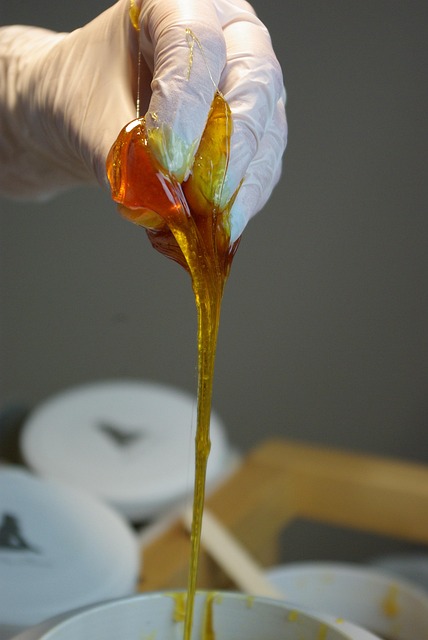
When considering an affordable skin tag removal treatment naturally, it’s crucial to prioritize safety alongside efficacy. While many over-the-counter options are available, these can sometimes be harsh or ineffective. Home remedies, if approached with caution and expertise, offer a viable alternative. For instance, apple cider vinegar has been used topically to shrink skin tags due to its acetic acid content, though application must be precise to avoid irritation. Similarly, duct tape, a popular method backed by some studies, involves applying duct tape over the tag for several days, but again, proper technique is essential to prevent damage.
For those seeking more specialized yet still affordable options near major UK cities like Bournemouth, Birmingham, or Oxford, consulting with a dermatologist can be beneficial. Professional cosmetic skin tag removal services in these areas often employ safe and effective methods such as cryotherapy (freezing) or surgical excision under local anesthesia. These procedures, while not inexpensive, provide lasting results and minimize the risk of complications that can arise from DIY treatments.
An expert perspective underscores the importance of considering your skin’s unique needs and sensitivities. What works for one person may not be suitable for another. For instance, some natural remedies might trigger allergic reactions in certain individuals. Therefore, it’s essential to research thoroughly, consult with professionals when necessary, and always patch test any new treatment before full application. This approach ensures that you’re using safe and effective affordable skin tag removal treatments naturally without jeopardizing your skin health.
Topical Creams and Ointments Reviewed

When considering affordable skin tag removal treatments, topical creams and ointments stand out as popular and accessible options. Many over-the-counter products claim to eliminate skin tags naturally, with some even promising quick results. However, it’s crucial to approach these claims with caution and examine the available scientific evidence.
One widely used topical treatment involves salicylic acid, a beta-hydroxy acid (BHA) that exfoliates dead skin cells. It has been shown to help remove skin tags by softening the skin and separating the tag from its base. Products containing this ingredient are readily available at drugstores and supermarkets, making them an affordable choice. For instance, a study published in the Journal of Dermatological Treatment found that salicylic acid solutions were effective in reducing the size of skin tags over a 4-week period. Another common active ingredient is lactic acid, which, like salicylic acid, promotes cell turnover and can aid in removing skin tags gently and naturally.
While these at-home remedies can be effective for smaller, milder skin tags, more persistent or larger tags may require professional intervention. In cities like Newcastle, Birmingham, and Colchester, cosmetic skin tag removal clinics offer specialized treatments. These professionals have access to a range of tools and techniques, including cryotherapy (freezing), scalpel excision, and laser treatments. For instance, a study by the British Association of Dermatologists found that cryotherapy had a 95% success rate in removing skin tags, making it an efficient and relatively pain-free option.
When choosing an affordable skin tag removal treatment, it’s essential to consider your skin type, the size and number of tags, and your comfort level with at-home versus professional procedures. Consulting a dermatologist or experienced clinician can provide valuable guidance tailored to your specific needs.
Expert Advice on DIY vs Professional Services

When considering an affordable skin tag removal treatment naturally, it’s crucial to understand the distinction between DIY methods and professional services. While many over-the-counter options exist for removing skin tags at home, these may not always be effective or safe. Expert advice suggests that consulting a qualified dermatologist or visiting a specialized clinic, such as those found in Exeter, Canterbury, or Mansfield, offers a more reliable and thorough approach to skin tag removal.
Professional services provide access to advanced techniques and medical-grade products that can address the root cause of skin tags. For instance, cryotherapy, which involves freezing off skin tags with liquid nitrogen, is a common procedure performed in clinics. This method is highly effective and relatively painless, making it a preferred choice for many. Alternatively, some natural treatments like apple cider vinegar or tea tree oil have shown promise, but their efficacy can vary widely based on individual skin types and the size/location of the skin tags.
DIY methods may be appealing due to their cost-effectiveness, but they carry risks. Improper home remedies could lead to skin irritation, infection, or scarring. Experts recommend approaching natural treatments with caution, using them only after consulting a professional who can guide on suitable options for individual cases. When seeking an affordable skin tag removal treatment naturally, consider professional advice as the surest path to safe and effective results, especially when comparing with the convenience of local clinics like those in Exeter, Canterbury, or Mansfield.
Long-Term Results: Tracking Success and Effectiveness

When exploring inexpensive skin tag treatments, long-term results should be a top consideration. Tracking success and effectiveness over time is crucial to ensuring you’re investing in a genuine solution rather than a temporary fix. Many affordable skin tag removal treatments naturally focus on topical creams or essential oils, but their longevity can vary significantly. For instance, while apple cider vinegar has been touted as an at-home remedy, studies show its efficacy rates range from 30% to 70%, with consistency and application methods playing significant roles in outcomes.
To gauge long-term results, look beyond initial removal success. Consider the frequency of regrowth and the overall reduction in skin tag visibility. Some treatments, like those offered at private clinics such as those for skin tag removal near me Leicester, Edinburgh, or Bradford, often provide better tracking due to professional application and tailored plans. These facilities may record treatment outcomes over several months, offering valuable insights into the long-term viability of different methods. For example, laser treatments have shown consistent results with minimal regrowth, making them a preferred option for many seeking permanent solutions.
Expert advice emphasizes monitoring progress beyond a single session. Patients should expect to see gradual improvements and reduced skin tag size over several weeks. Any treatment promising immediate, permanent removal should be approached with skepticism. Regular check-ins with professionals can help track progress and adjust treatments as needed. By combining expert guidance with patient feedback, it’s possible to identify the most effective affordable skin tag removal treatments naturally that deliver sustainable results for individuals in diverse locations, including Leicester, Edinburgh, and Bradford.
After exploring comprehensive insights on inexpensive skin tag treatments, readers gain valuable knowledge to make informed decisions. Understanding the causes and common concerns surrounding skin tags empowers individuals to approach removal with clarity. The article highlights affordable options, from natural home remedies emphasizing safety to effective topical creams and expert advice on DIY versus professional services. Key takeaways include the importance of long-term results tracking and the recognition of “affordable skin tag removal treatment naturally” as a viable approach. This authoritative guide provides practical next steps, ensuring readers are equipped to navigate the world of skin tag treatment with confidence and expertise.