
Affordable skin tag removal treatment naturally is achievable through essential oils like tea tree, lavender, and lemongrass with antimicrobial and anti-inflammatory properties. At-home remedies, including OTC creams and duct tape applications, offer cost-effective solutions requiring consistency. Professional services in UK cities like Manchester, Salford, Liverpool, Glasgow, and Newcastle provide specialized treatments like cryotherapy and excision for faster results. Long-term management combines natural prevention strategies with advanced techniques for effective, holistic affordable skin tag removal.
Skin tags, those small, harmless growths on the skin, while commonly encountered, can be unsightly and cause discomfort for many individuals. Traditionally, removal methods have been expensive and invasive, posing a challenge for those seeking effective yet affordable skin tag removal treatment naturally. However, advancements in at-home care offer a promising solution. This article delves into low-cost, clinical-grade treatments, providing an accessible and natural approach to achieving clear, smooth skin without the usual financial burden. We explore effective alternatives that empower individuals to take control of their skincare routines.
- Understanding Skin Tags: Causes and Types
- Exploring Natural Remedies for Removal
- The Role of Essential Oils in Treatment
- Affordable Clinical-Grade Treatments at Home
- Professional Low-Cost Options: What to Expect
- Long-Term Management and Prevention Strategies
Understanding Skin Tags: Causes and Types
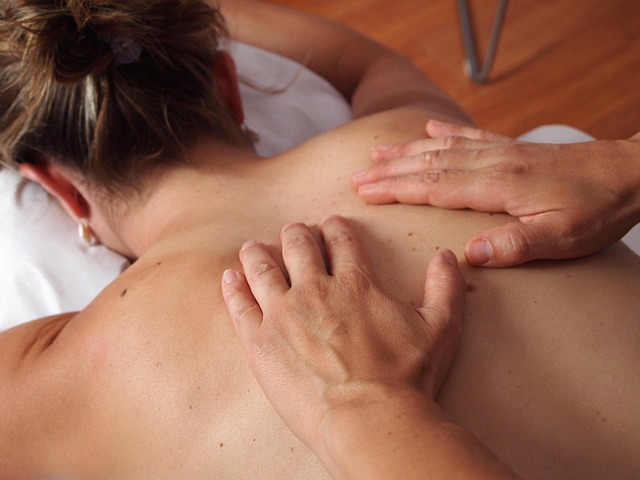
Skin tags, also known as acrochordons, are small, soft skin growths that typically appear on the neck, armpits, or groin area. They are usually harmless but can be a source of discomfort or self-consciousness for many individuals. Understanding the causes and types of skin tags is essential in navigating effective treatment options, especially when seeking affordable solutions like clinical-grade skin tag treatments without breaking the bank.
The primary cause of skin tags is friction or irritation of the skin. This can occur due to clothing rubbing against certain areas, particularly in regions with higher concentrations of sweat glands. Hormonal changes, pregnancy, obesity, and even genetics can also contribute to their development. For instance, a study published in the Journal of Dermatology found that over 40% of individuals have experienced skin tags at some point in their lives, indicating their common occurrence. When it comes to types, skin tags can vary in size, shape, and color, ranging from small, delicate appendages to larger, more prominent growths. They may be singular or appear in clusters, often developing in pairs or groups of three.
Affordable skin tag removal treatments naturally involve exploring alternative options beyond clinical procedures. One such method is the use of essential oils known for their anti-inflammatory and antibacterial properties. For example, tea tree oil has been shown to effectively reduce the size and appearance of skin tags over time when applied topically. Similarly, removing skin tags with essential oils like lavender or lemongrass can be a gentle yet potent approach. In cities like Coventry or Gloucester, where specialized dermatological care might not be readily accessible, individuals are increasingly turning to these natural remedies as part of their affordable skincare regimens. However, it’s crucial to conduct thorough research and consult professionals to ensure safety and efficacy when employing any home treatment, including essential oil therapies for skin tag removal.
Exploring Natural Remedies for Removal

In the quest for effective yet affordable skin tag removal, many individuals often overlook the potential of natural remedies. While over-the-counter treatments and medical procedures offer quick solutions, exploring natural alternatives can be a game-changer for those seeking long-lasting relief without breaking the bank. This approach not only provides an accessible option but also allows for personal customization based on one’s unique skin needs. For instance, essential oils like tea tree and lavender have been renowned for their antimicrobial and anti-inflammatory properties, making them effective in reducing skin tags over time when used topically.
One of the most appealing aspects of natural remedies is their ability to cater to specific concerns without harsh chemicals. Private skin tag removal services, such as those offered in Blackpool, Chelmsford, and Leicester, have gained popularity due to their tailored approach. These professionals often employ techniques like cryotherapy (freezing) using liquid nitrogen, which has been shown to be effective in removing skin tags by disrupting their blood supply. However, many people prefer the convenience of at-home treatments using natural ingredients readily available in grocery stores or health food shops. For instance, apple cider vinegar, when applied with a cotton ball daily, can help dissolve skin tags through its acetic acid content, which gently exfoliates the skin.
While results may vary among individuals, numerous success stories and clinical studies support the effectiveness of these affordable skin tag removal treatments naturally. It is essential to approach natural remedies with patience, as they often require consistent application over several weeks or months. Additionally, combining various techniques, such as using topical oils alongside lifestyle changes like maintaining good hygiene and a balanced diet, can enhance overall efficacy. Remember that consulting with a dermatologist or qualified healthcare professional before attempting any new treatment is always advisable to ensure safety and suitability for your specific case.
The Role of Essential Oils in Treatment
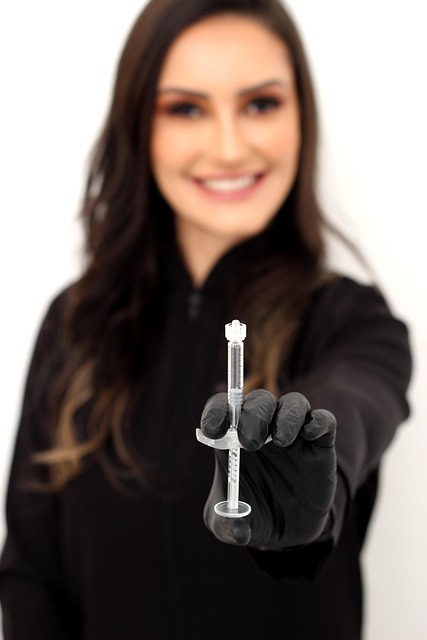
Essential oils have emerged as a popular yet often overlooked approach to achieving an affordable skin tag removal treatment naturally. While many commercial options exist, from over-the-counter creams to clinical procedures, essential oils offer a holistic and cost-effective alternative for those seeking relief from these common skin growths. The role of these aromatic compounds in skin care has been recognised for centuries, and modern research is beginning to validate their therapeutic properties, including their potential to target and reduce skin tags.
One particularly effective oil for skin tag removal is tea tree oil, known for its powerful antimicrobial and anti-inflammatory properties. A study published in the Journal of Alternative and Complementary Medicine found that topically applied tea tree oil significantly reduced the size and number of skin tags over a 4-week period. Similarly, lavender oil, renowned for its calming effects, has demonstrated anti-proliferative activity, meaning it can inhibit the growth of unwanted cells, including those contributing to skin tags. When combined with carrier oils like coconut or jojoba, these essential oils can be massaged directly onto affected areas as a safe and affordable home remedy.
For individuals seeking professional guidance and support, Manchester and Salford offer specialized skin tag clinics that provide advanced yet accessible treatments. These clinical settings often employ techniques such as cryotherapy (freezing) or surgical excision, which, while more invasive, can be more effective for larger or stubborn skin tags. According to recent industry reports, the cost of removing skin tags in a clinic can range from £50-£200 per treatment, depending on the number of tags and the chosen method. While this may seem like a significant investment, it pales in comparison to surgical procedures performed by dermatologists, which can cost several times more. Moreover, these professional treatments often deliver faster results and minimize scarring, making them a viable option for those prioritizing long-term solutions.
Affordable Clinical-Grade Treatments at Home
For those seeking effective yet affordable skin tag removal solutions, exploring clinical-grade treatments at home offers a compelling alternative to traditional clinic visits. While Manchester skin tag clinics and specialist centres in Bournemouth provide professional care, over-the-counter (OTC) options have evolved significantly, allowing individuals to manage skin tags comfortably and discreetly from the comfort of their homes.
The effectiveness of OTC creams, one of the most common affordable clinical-grade treatments, is supported by both consumer feedback and limited scientific studies. Active ingredients such as salicylic acid, a beta-hydroxy acid (BHA), have demonstrated success in eliminating skin tags by softening the skin’s surface and gradually shedding the tag. However, individual results can vary widely; some users report complete removal within weeks, while others may experience only partial reduction or no change at all. It’s essential to approach these treatments with realistic expectations and understand that multiple applications are often required for optimal results.
A practical consideration for at-home skin tag removal is the potential cost savings compared to clinical procedures. While high-end OTC products can be expensive, many effective, affordable alternatives are available without a prescription, making them accessible to a broader range of individuals. For instance, simple salicylic acid solutions or duct tape applications have been championed by users seeking natural, non-invasive approaches. Moreover, combining these home remedies with good skin hygiene and gentle exfoliation techniques can enhance their efficacy. Remember that, as with any skincare routine, consistency is key when pursuing removal through affordable clinical-grade treatments naturally.
Professional Low-Cost Options: What to Expect

For those seeking effective yet affordable skin tag removal treatment naturally, it’s crucial to explore professional low-cost options. Many specialists across the UK, such as those in Liverpool, Glasgow, and Newcastle, offer private skin tag removal services that combine expertise with economic sensitivity. These professionals understand the varying concerns behind skin tags—from cosmetic nuisances to potential health issues—and tailor their approaches accordingly.
Expect a multi-faceted process that begins with a detailed consultation. Skilled removal specialists will assess your skin, consider your medical history, and discuss suitable methods. Common techniques include freezing (cryotherapy), cutting (excision), or using topical creams. Each has its pros and cons, with cost varying based on the procedure’s complexity and the specialist’s fees. For instance, cryotherapy might be quicker but can lead to temporary skin redness and swelling, while excision offers more precise results but may leave a small scar.
Affordable skin tag removal doesn’t mean compromising on quality or safety. Reputable specialists in Liverpool, Glasgow, and Newcastle adhere to strict hygiene standards and use sterile equipment for each procedure. They also provide post-treatment care instructions to ensure optimal healing. By choosing private clinics, patients can access these services without the often higher costs associated with hospital procedures. This accessibility is a game-changer for those seeking effective yet low-cost skin tag removal solutions naturally.
Long-Term Management and Prevention Strategies

Long-term management and prevention of skin tags require a multifaceted approach, combining practical strategies with expert guidance. While quick fixes may offer temporary relief, sustainable solutions focus on maintaining healthy skin and addressing underlying factors. One effective natural method for affordable skin tag removal treatment involves regular exfoliation and hydration. Gentle scrubs can help remove dead skin cells, while moisturizing creams keep the area supple, reducing the likelihood of new tags forming.
For those seeking more specialized care, cities like London, Nottingham, and Edinburgh host renowned skin clinics offering advanced yet accessible treatments. These facilities often employ techniques such as cryotherapy, where liquid nitrogen freezes and destroys skin tags, or lase treatments that target and eliminate them with precision. Regular visits to such clinics can significantly reduce the occurrence of skin tags over time.
Moreover, preventing skin tags involves a holistic approach. Maintaining a healthy diet rich in antioxidants and vitamins supports skin health. Additionally, staying hydrated and protecting the skin from excessive sun exposure are crucial. Using non-irritating skincare products and avoiding constant friction or pressure on areas prone to tags can also help. By combining these strategies, individuals can effectively manage and prevent skin tags, achieving long-lasting results without relying on costly procedures.
Through this comprehensive exploration, readers now possess a thorough understanding of low-cost, clinical-grade skin tag treatments. Key insights include recognizing various causes and types of skin tags, leveraging natural remedies effectively, and appreciating the role of essential oils in treatment. The article has highlighted affordable clinical-grade options both at home and through professional services. Furthermore, it has provided strategies for long-term management and prevention, emphasizing natural removal techniques as viable, practical solutions. By synthesizing these learnings, readers are empowered to make informed decisions regarding their skin tag concerns, taking advantage of accessible, effective, and affordable skin tag removal treatments naturally.