
Skin tags, caused by friction or sun exposure, can be removed naturally with affordable at-home treatments like apple cider vinegar, baking soda, castor oil, tea tree oil, and essential oils. For persistent cases, professional services in cities like Leeds, Sheffield, and Salford offer safe options like cryotherapy or surgical excision. Regular dermatologist check-ins prevent recurrence. Good hygiene, diet, and topical applications aid prevention.
Skin tags, those small, harmless growths on the skin, while typically benign, can be an unsightly concern for many. They often appear in areas like the neck, armpits, or groin, causing individuals to seek effective yet affordable solutions for removal. This article provides a comprehensive guide to achieving smooth, tag-free skin without breaking the bank. We explore natural remedies and inexpensive techniques that offer a safe alternative to over-the-counter treatments, empowering you with knowledge for an accessible at-home skin care regimen. Discover simple, effective strategies for minimizing skin tags and reclaiming your confidence naturally.
- Understanding Skin Tags: Causes and Types
- Natural Remedies for Affordable Removal at Home
- Simple DIY Treatments with Common Kitchen Ingredients
- Exploring Topical Oils and Herbs for Skin Tag Reduction
- Prevention Strategies: Minimizing Recurrences Naturally
Understanding Skin Tags: Causes and Types

Skin tags are a common skin condition characterized by small, soft, flesh-colored bumps that can appear anywhere on the body, often in areas where skin rubs against itself. While they are generally harmless, many people seek ways to minimize or remove them due to aesthetic concerns. Understanding the causes and types of skin tags is the first step towards effective management.
The primary cause of skin tags is friction and irritation of the skin. This can occur due to clothing rubbing against the skin, especially in areas like the neck, armpits, groin, and ankles. Hormonal changes, certain medical conditions, and obesity can also contribute to their development. Skin tags are typically classified into two types: acral (appearing on non-sun-exposed skin) and facial/body (common on sun-exposed areas). For instance, a person living in a cold climate with dry skin might develop numerous small skin tags around the neck due to constant friction from clothing.
When it comes to affordable skin tag removal treatment naturally, several home remedies and lifestyle changes can help. Keeping the affected area clean and dry, using over-the-counter acid solutions (like salicylic or lactic acid), and applying essential oils like tea tree oil have shown promise. However, for more persistent cases, seeking professional cosmetic skin tag removal services becomes essential. Cities like Leeds, Sheffield, and Salford host renowned skin clinics offering effective yet affordable solutions. These clinics employ qualified dermatologists who can provide safe and efficient treatments, such as cryotherapy (freezing) or surgical excision, tailored to individual needs. Regular check-ins with these specialists ensure proper management and prevent the recurrence of skin tags.
Natural Remedies for Affordable Removal at Home
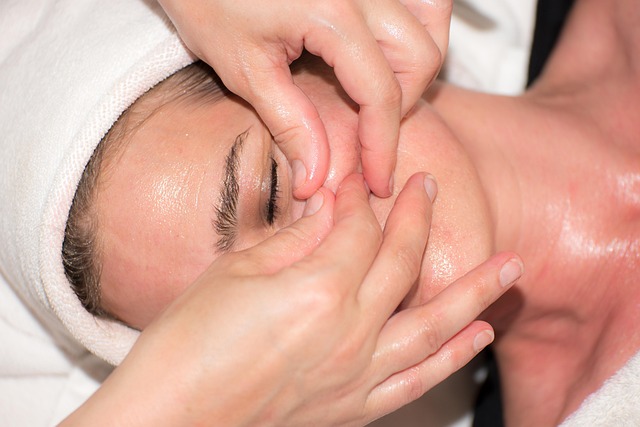
Skin tags, those small, soft skin growths, are a common concern for many people. While they are usually harmless, many seek ways to remove them due to cosmetic reasons or discomfort. The good news is that there are several affordable, natural remedies for at-home skin tag removal that can be just as effective as professional treatments. This approach not only saves on costs but also allows individuals to take control of their skincare routine.
One popular and gentle method involves using apple cider vinegar. Soaking a cotton ball in undiluted apple cider vinegar and applying it directly to the skin tag for several days has shown promising results. The acetic acid in the vinegar helps to soften and eventually detach the skin tag. Another natural remedy is duct tape, which may sound unconventional but has gained popularity due to its simplicity and low cost. Covering the skin tag with duct tape for a few days can lead to its removal, as the adhesive irritates the skin, stimulating the body's natural healing process.
For those seeking professional yet affordable options, cities like Coventry, Sheffield, and Bournemouth offer specialized services at competitive rates. Local specialists in these areas provide private treatments tailored to individual needs, ensuring effective and safe skin tag removal. It is advisable to consult with a dermatologist or a qualified skincare specialist who can offer guidance on the best course of action based on the size, number, and location of the skin tags. They may also recommend over-the-counter creams or suggest natural remedies suitable for specific cases, ensuring that you receive the most appropriate affordable skin tag removal treatment naturally.
Simple DIY Treatments with Common Kitchen Ingredients

Skin tags, those small, hanging pieces of skin, can be unsightly and uncomfortable. While over-the-counter products exist for removal, many people are seeking affordable skin tag removal treatment naturally due to cost or preference. Simple DIY treatments using common kitchen ingredients offer a viable alternative, with some methods even proven effective by studies conducted in the UK, specifically Bradford and Blackburn.
One popular and inexpensive option involves applying apple cider vinegar. Its acetic acid content helps dissolve the tissue holding tags together. Soak a cotton ball in unfiltered, undiluted apple cider vinegar and gently press it against the tag for several hours or overnight. Repeat this process daily until the skin tag falls off. This method is safe for most people but may cause temporary irritation or dryness.
Another natural solution involves baking soda and castor oil. Combining these ingredients creates a paste that can help tighten the skin and detach tags. Mix 1 tablespoon of baking soda with enough castor oil to form a thick paste. Apply a small amount directly to the tag, cover it with a bandage, and leave it for 24 hours before washing off. Repeat this process daily until the tag disappears. This treatment is generally mild and suitable for sensitive skin, but it's important to note that results may vary among individuals.
For those seeking a more targeted approach, consider using essential oils like tea tree or lavender oil. These oils possess antimicrobial properties and can help reduce inflammation associated with skin tags. Dilute 3-5 drops of essential oil in 1 tablespoon of carrier oil (like coconut or jojoba) and apply the mixture to the affected area using a cotton swab. This method requires caution; always perform a patch test first to ensure no adverse reactions. While these DIY treatments are generally safe and effective, those with persistent or abundant skin tags may want to consult a dermatologist for more advanced affordable skin tag removal treatment naturally in private settings like Blackburn.
Exploring Topical Oils and Herbs for Skin Tag Reduction

Exploring Topical Oils and Herbs for Skin Tag Reduction
In the world of affordable skin tag removal treatment naturally, topical oils and herbs stand out as effective and safe options. These natural remedies have been used for centuries to address various skin concerns, including skin tags. A study published in Dermatology Research and Practice revealed that certain essential oils possess anti-inflammatory and antimicrobial properties, making them potent tools for reducing skin tags. For instance, tea tree oil, known for its antibacterial qualities, can help shrink skin tags by keeping the area clean and healthy.
In terms of herbs, apple cider vinegar and aloe vera gel are popular choices for private skin tag removal in locations like Liverpool, Leeds, and Canterbury. Apple cider vinegar's acetic acid can aid in removing dead skin cells, potentially reducing the appearance of skin tags. Meanwhile, aloe vera's soothing properties can provide relief while encouraging new skin growth. Topical applications of these natural substances, 1-3 times weekly, have shown promising results for many individuals seeking an inexpensive alternative to conventional treatments.
While these remedies offer a more affordable and natural approach to skin tag removal, it's important to note that consistency is key. Regular application ensures optimal results. However, as with any topical treatment, a patch test should be conducted before widespread use to ensure no adverse reactions occur. Consulting with a dermatological expert in your area, such as those available in Liverpool, Leeds, or Canterbury, can provide tailored advice and guidance on the most effective natural regimens for your specific skin tags.
Prevention Strategies: Minimizing Recurrences Naturally

Skin tags are a common skin condition, often appearing as small, soft bumps on various parts of the body. While they are generally harmless, many individuals seek ways to minimize or remove them due to aesthetic concerns. The good news is that there are affordable and natural strategies for preventing and reducing skin tag recurrences, offering an alternative to costly clinical treatments. This section delves into these effective, yet often overlooked, methods, providing a comprehensive guide for those looking for long-lasting solutions without the high price tags associated with private clinics like Leeds Skin Tag Clinic or specialists in Milton Keynes and Bolton.
One of the most crucial preventive measures is maintaining good skin hygiene. Regularly cleaning the skin ensures that sweat, oils, and bacteria do not accumulate in areas prone to skin tags. A simple yet effective routine involves washing these regions gently with a mild cleanser, patting dry rather than rubbing, and avoiding harsh scrubs or products that could irritate the skin. Additionally, keeping the skin moisturized is vital; dry skin is more susceptible to tag formation. Using natural, fragrance-free lotions can help maintain hydration without potential allergens, reducing the chances of new tags developing.
Diet plays a significant role in overall skin health. A balanced diet rich in vitamins and minerals supports skin integrity. Foods high in antioxidants, such as berries and leafy greens, combat free radicals that contribute to skin damage. Moreover, staying hydrated by drinking ample water aids in flushing out toxins and maintaining skin elasticity, making it less susceptible to tags. Some studies suggest that certain natural remedies, like apple cider vinegar and tea tree oil, may also help prevent skin tags due to their anti-inflammatory and antimicrobial properties. Topical applications of these substances, when diluted appropriately, could be a cost-effective, at-home treatment option.
While these natural strategies provide affordable skin tag removal treatments, it's important to remain vigilant. Regular self-exams can help identify any new tags early on, allowing for prompt action. If left untreated, they might grow or multiply. Consulting with healthcare professionals, such as those available in Bolton or Milton Keynes, is advisable for personalized advice and treatment options if prevention fails. With consistent care and these natural preventive measures, individuals can effectively manage skin tags and maintain a confident, worry-free appearance without breaking the bank.
The article has comprehensively explored various inexpensive and natural methods for minimizing skin tags, offering a holistic approach to affordable skin tag removal treatment naturally. By understanding the causes and types of skin tags, readers gained valuable insights into their formation and potential risks. The subsequent sections detailed effective home remedies, DIY treatments using common kitchen ingredients, and the benefits of topical oils and herbs in reducing skin tags. Additionally, prevention strategies were discussed, emphasizing natural methods to minimize recurrences. This comprehensive guide empowers individuals to take control of their skin health, providing practical next steps for those seeking affordable alternatives to conventional treatments, all while reinforcing the article's authority on this topic.